

How to Protect Monofilament Leaders From Abrasion
Table of Contents
- What You'll Need Before You Start
- Step 1: Inspect Your Monofilament Leaders for Damage
- Step 2: Choose the Best Chafe Tubing for Fishing
- Step 3: Install Chafe Tubing on Your Leader
- Monofilament vs Fluorocarbon Abrasion Resistance
- Step 4: Maintain and Store Your Leaders Properly
- Common Mistakes to Avoid When Protecting Leaders
- Conclusion
- Frequently Asked Questions
Last Updated: September 27, 2026
What You'll Need Before You Start
You do not have to lose good fish to chafed line. A few cheap tools and five minutes of prep will save your leader on the next bite.
Here is what to gather before you start.
- Chafe tubing sized to your leader diameter
- Sharp leader cutters
- A lighter or flame source for finishing ends
- Clean rags or a small towel
- Fresh monofilament for damaged sections
Step 1: Inspect Your Monofilament Leaders for Damage
Run your fingers along the full length of the leader before every trip. Your hands find damage your eyes miss.
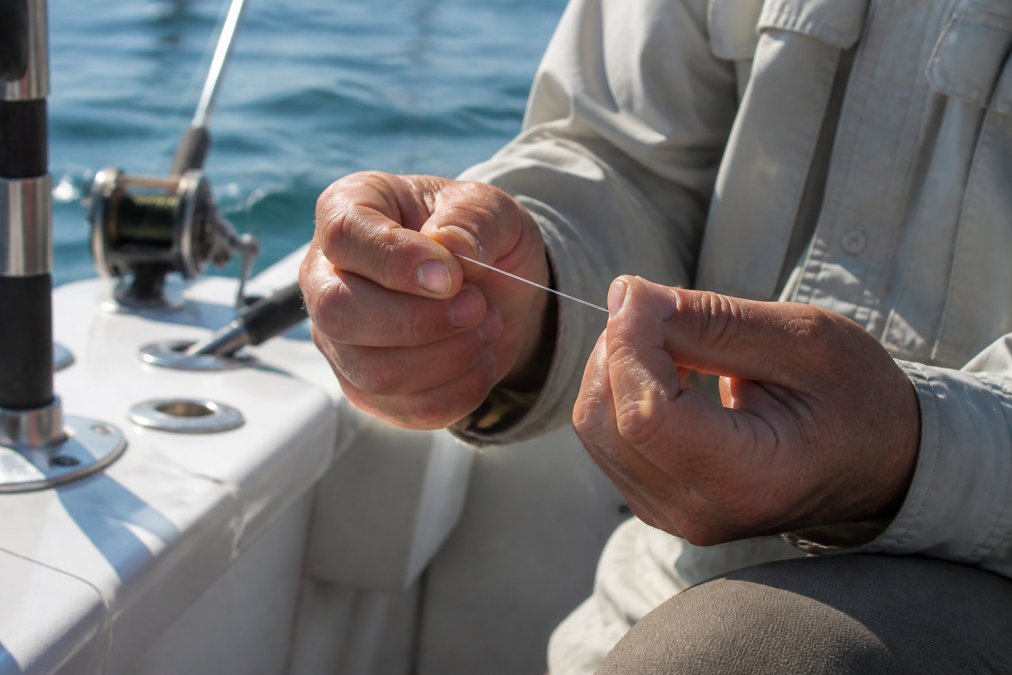
Check these spots first:
- The last meter before the hook
- Where the leader meets the main line connection
- Any point that touched rock, piling, or wreck
Common Signs of Fishing Line Abrasion
Fishing line abrasion shows up as rough patches, flat spots, and a dull, chalky look on the surface. These are micro-abrasions, and they cut knot strength fast.
Look and feel for:
- Fuzz or fraying along the surface
- Flat spots where the line rubbed structure
- A chalky or cloudy color change
- Kinks that stay after you straighten the line
- Stiff sections that lost their normal flex
Step 2: Choose the Best Chafe Tubing for Fishing
The best chafe tubing for fishing fits snug against your leader, stays put under load, and guards the exact spot where abrasion happens. Fit matters more than brand.
What to look for:
- Snug fit on your actual leader size
- Heavy-duty wall thickness
- Smooth inner surface so it does not chew the line
- Clear or neutral color to keep a low profile
Step 3: Install Chafe Tubing on Your Leader
Slide the tubing onto the leader before you tie your terminal knot. Once the knot is tied, you cannot add it.
Here are the steps:
- Cut a length of tubing to cover the wear zone
- Slide it onto the leader, away from the knot area
- Tie your hook or lure with your normal knot
- Slide the tubing down over the knot and the last few centimeters of leader
- Check that it sits snug and does not slide
Field-Repair Techniques for Damaged Leaders
A chafed leader does not have to end your day. Cut out the damaged section and rebuild.
Quick field fixes:
- Cut above the damage and retie your connection
- Add fresh tubing over the new wear zone
- Check the bite tippet and replace it if it looks rough
- Re-inspect the main line connection before you cast again
Monofilament vs Fluorocarbon Abrasion Resistance
Fluorocarbon resists abrasion better than monofilament in most side-by-side tests, but the reason is mechanical, not marketing. Fluorocarbon is a denser polymer with a harder surface, so it takes longer for rock, shell, and teeth to cut through it. Monofilament is softer and stretches more, which lets it absorb shock and forgive a bad hookset, but that same softness means a sharp edge bites in faster.
| Factor | Monofilament | Fluorocarbon |
|---|---|---|
| Abrasion resistance | Moderate | Higher |
| Surface hardness | Softer, cuts faster | Harder, resists cutting |
| Stretch factor | High (roughly 20-30% at breaking load) | Low (roughly 10-15%) |
| Shock resistance | Better | Lower |
| Refraction index | Visible in water | Nearly invisible |
| Knot strength | Forgiving, seats easily | Less forgiving, needs lubrication |
| Sink rate | Floats or sinks slowly | Sinks |
| Best for | Topwater, shock absorption, long casts | Leaders near structure, clear water |
Why the Abrasion Gap Is Smaller Than the Marketing Suggests
Fluorocarbon wins on abrasion, but not by the margin the packaging implies. Once either material picks up a micro-abrasion, a flat spot, a rough patch, its abrasion resistance drops sharply because the damaged surface gives grit and shell a place to grab. A scuffed fluorocarbon leader can fail faster than a clean monofilament leader of the same diameter. That is the argument for inspecting and protecting both materials, not just choosing one.
The Bite Tippet Combo Most Anglers Should Run
The catch: fluorocarbon still chafes. It just takes longer. Chafe tubing helps either material last, and it is the cheapest insurance you can add to a leader that already costs more than monofilament.
Step 4: Maintain and Store Your Leaders Properly
Proper line maintenance adds trips to every spool, but the biggest gains come from controlling three things most anglers ignore: UV, chemicals, and heat. Each one attacks monofilament at the polymer level, and each one is preventable.
UV, Heat, and the Chemistry of Line Degradation
Monofilament is a polymer chain. UV radiation from sunlight breaks those chains over time, and the damage is cumulative, a leader that sat on a sunny deck for a week is weaker than one stored in a locker, even if neither shows visible wear. Heat accelerates the same breakdown. A black tackle box on a boat deck can hit 140°F or more inside, which is well above the range where monofilament starts to lose strength.
Chemical Damage: DEET, Sunscreen, and Fuel
Bug spray and sunscreen are the two most common chemical threats to a monofilament leader, and most anglers never connect them to line failure. DEET, the active ingredient in most insect repellents, is a solvent. It attacks the plasticizers that keep monofilament flexible, and a leader exposed to DEET can go stiff and brittle in a single trip. Sunscreen carries oils and alcohol that do similar damage over time.
Line Conditioners and Protective Coatings
Line conditioners are a real category, not a gimmick. Most are silicone- or polymer-based sprays and wipes that leave a thin film on the leader surface. That film does two things: it lubricates the line so it slides over rock and shell instead of grabbing, and it fills microscopic surface pores so grit has less to bite into. Some conditioners also include UV inhibitors that slow the polymer breakdown described above.
How to use them correctly:
- Apply to a clean, dry leader, conditioner over salt or grit traps the abrasive in place
- Wipe off the excess; a heavy coat attracts dirt
- Reapply after every few trips, or after any trip in dirty water
- Do not apply to the knot itself if your knot needs to seat under friction
Storage That Actually Protects Line
Storage and care tips:
- Keep leaders in a cool, dark place, a closed box in a shaded locker beats an open tray on deck
- Avoid leaving them on a hot deck all day, even in a boat bag
- Rinse off saltwater after every trip and let leaders dry before storing
- Store leaders on a line spool or in a leader wallet, not coiled tight around a cleat
- Check stored leaders before you reuse them, especially after a long off-season
- Replace leaders at the start of each season, and mark the rig date on the spool
Clean your tubing too. Grit trapped inside acts like sandpaper on the leader, and a quick flush with fresh water keeps the inner surface smooth.
Common Mistakes to Avoid When Protecting Leaders
Most leader failures trace back to a handful of repeat mistakes. Fix these and your land rate climbs.
Watch for:
- Fishing a leader with visible abrasion
- Using tubing that does not fit the line diameter
- Covering the knot so it cannot seat
- Ignoring the bite tippet
- Storing leaders in direct sunlight
- Reusing leaders season after season
Conclusion
Leader failure is preventable, and the fix is simple. Inspect before every trip, fit your tubing to the line diameter, and store your leaders out of the sun.
Frequently Asked Questions
What is the most abrasion-resistant monofilament fishing line available?
Abrasion resistance depends on the line's diameter, polymer composition, and surface coating. Thicker monofilament leaders resist abrasion better because there is more material to wear through before structural integrity fails. Lines with a hard outer coating and higher tensile strength tend to hold up longer against rocks, mussels, and fish teeth. Regular inspection and protective chafe tubing extend any line's working life regardless of brand.
Does using chafe tubing affect the action of my lure?
Chafe tubing sits on the leader above the hook or lure connection, so it does not change how the lure swims or tracks. The tubing adds minimal weight and stays in place during casts and retrieves. For offshore trolling and bottom fishing where abrasion is the main threat, the protection far outweighs any negligible change in presentation.
How often should I inspect my leader for signs of abrasion?
Check your leader after every fish landed, every contact with structure, and at the start of each trip. Look for rough patches, discoloration, flat spots, or a chalky appearance, which indicate micro-abrasions and UV degradation. On multi-day trips, run your fingers along the full length of the leader each morning. Replace any section that feels rough or shows visible damage before it fails on a big fish.
Is monofilament or fluorocarbon better for rocky structure?
Fluorocarbon has a higher density and harder surface, giving it an edge in abrasion resistance around rocks and wrecks. Monofilament offers more stretch and shock absorption, which helps with sudden surges from powerful fish. Many anglers run a fluorocarbon leader with a monofilament main line or top shot to get the benefits of both. Chafe tubing adds a protective layer to either material.