

Why Use Chafe Tubing for Monofilament: A Complete Guide
Table of Contents
- Why Use Chafe Tubing for Monofilament Leaders
- How Chafe Tubing Protects Monofilament from Abrasion and Fish Teeth
- How to Rig Chafe Tubing on Your Leader
- Chafe Tubing Size for Mono: Selection and Fit
- Monofilament Leader Abrasion Protection: Where to Place Tubing
- Monofilament Leader Wear Inspection and Replacement
- Common Mistakes to Avoid When Using Chafe Tubing
- Frequently Asked Questions
Last Updated: October 4, 2026
Why Use Chafe Tubing for Monofilament Leaders
Why use chafe tubing for monofilament? Because it protects leaders from abrasion and sharp fish teeth during intense fights with big game fish. When a powerful tuna or billfish runs hard, your leader rubs against rough surfaces, reef edges, wreck structures, the fish's jaw. Without protection, that friction wears through your line in seconds. Chafe tubing acts as a barrier, absorbing the damage so your monofilament stays intact.
Most leader failures happen at connection points or where the line contacts sharp objects. The fix is simple: add protective sleeving where it matters most.
Here's what makes chafe tubing essential for serious saltwater fishing:
- Extends leader life significantly by shielding mono from friction and abrasion
- Prevents unexpected line failure during critical hook sets and hard runs
- Protects splice points and loops where monofilament is most vulnerable
- Guards against fish teeth that can cut through unprotected mono instantly
- Works with existing rigs without requiring complete leader rebuilds
- Costs far less than losing a trophy fish to a broken leader
The real question isn't whether you need chafe tubing, it's why you'd risk your best fishing without it.
How Chafe Tubing Protects Monofilament from Abrasion and Fish Teeth
Chafe tubing creates a sacrificial barrier that changes the mechanics of contact and friction.
How tubing reduces friction and abrasion:
When unprotected monofilament slides across a rough surface, the line experiences point contact that creates high friction and rapidly wears through the mono. A single nick can drop a 100-pound test monofilament to 40 or 50 pounds of breaking strength.
Chafe tubing distributes contact pressure over a wider surface area. The tubing's outer surface makes contact first, and its material has lower friction and cuts better than bare mono. The tubing flexes and conforms to obstacles, spreading contact force across a larger area rather than concentrating it on a single point.
This dual effect dramatically slows abrasion: unprotected mono fails in seconds of hard contact, while tubing-protected mono withstands minutes of the same friction.
Why monofilament is vulnerable without protection:
Monofilament has high tensile strength but low abrasion resistance. A single microscopic nick creates a stress concentration point that causes the line to fail at a fraction of its rated strength under tension.
How tubing stays in place during a fight:
Chafe tubing grips your monofilament through friction alone. The tubing's inner diameter is slightly larger than your line diameter, creating a snug fit that prevents sliding during casting and fighting.
Proper diameter is critical: tubing that's too loose won't grip, and tubing that's too tight won't slide on or flex properly.
After a long battle, wear marks on the tubing surface show it has absorbed damage your monofilament would have taken. Replace the worn tubing, not your entire leader.
How to Rig Chafe Tubing on Your Leader
Installing chafe tubing takes minutes and requires no special tools.
Step 1: Identify Vulnerable Points on Your Rig
The most critical spots are connection points, splice points, loop knots, lure attachment points, and areas where teeth or rough jaw surfaces will contact your leader. Mark where a hard-running fish would create the most friction.
Step 2: Measure and Cut Your Tubing
Cut pieces about 1 to 2 inches longer than the area you're protecting to ensure full coverage. Use sharp scissors or a utility knife for clean cuts that prevent fraying.
Step 3: Slide Tubing Onto Your Leader
Hold your leader straight and slide the tubing to the exact spot where you need protection. If tubing is tight, slightly wet the leader to help it slide. Don't force it.
Step 4: Secure the Tubing
Tubing stays in place through friction alone on most rigs. For extra security at connection points, add a small piece of electrical tape or thread wrap at each end to prevent sliding during a hard fight.
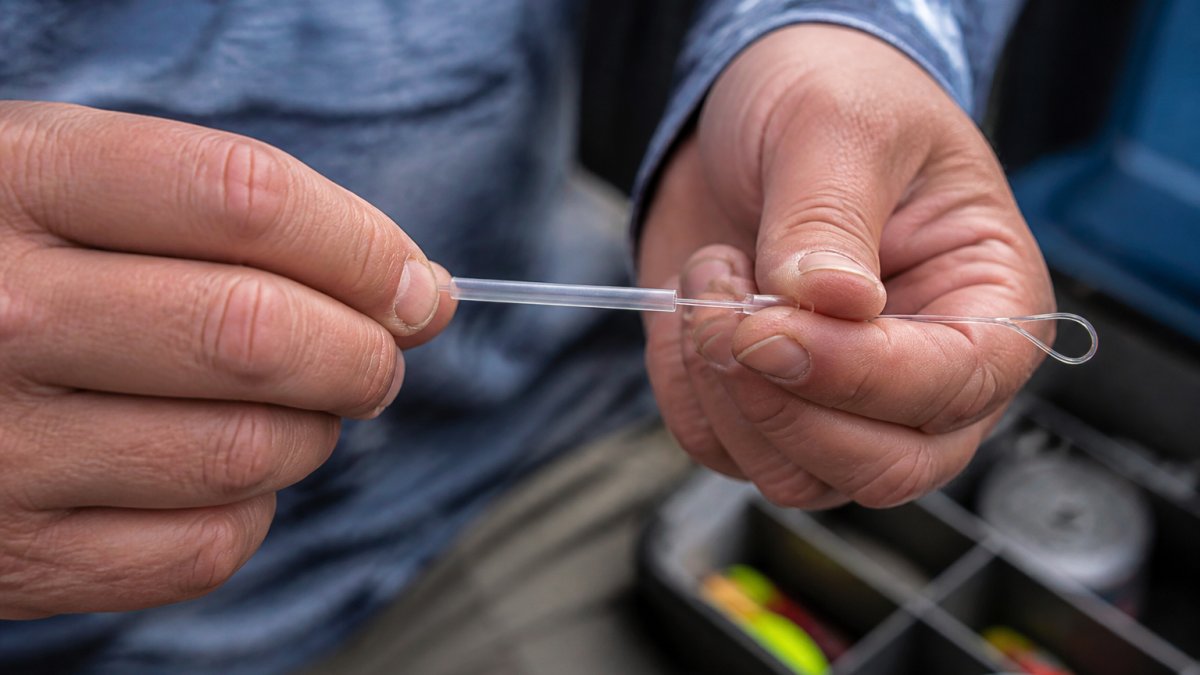
Chafe Tubing Size for Mono: Selection and Fit
Getting the right diameter and material is crucial. You must match tubing flexibility and durability to your line weight and the type of protection you need.
Matching tubing diameter to monofilament diameter:
Measure your monofilament diameter and select tubing that slides on with gentle pressure but grips firmly. Test the fit on a short piece before installing. Keep two or three tubing sizes on hand.
Choosing tubing material and flexibility for your application:
Wall thickness matters. Thicker-walled tubing (0.030 to 0.050 inches) lasts longer and resists cutting better, but it's heavier and slightly stiffer. Thin-walled tubing (0.015 to 0.025 inches) is lighter and more flexible but wears faster. For offshore big game fishing, thicker-walled tubing is worth the trade-off. For freshwater or light saltwater, thin-walled tubing is sufficient.
Matching tubing to your rig type:
- Wind-on leaders and splice points: Use flexible tubing with moderate wall thickness. The tubing needs to move with the splice without restricting line movement.
- Mono-to-cable connections: Use stiffer, thicker-walled tubing. Cable can cut through mono quickly; you need maximum protection here.
- Loop knots: Use flexible tubing that covers the entire loop. The tubing should allow the loop to flex naturally without creating a stiff spot.
- Lure attachment points: Use flexible tubing with moderate wall thickness. The tubing needs to flex with the lure eye movement during strikes and head shakes.
- Rough-water or wreck fishing: Use thicker-walled, stiffer tubing. You're protecting against sharp rock and metal; durability matters more than flexibility.
Common tubing sizes for standard mono weights:
Keep spare tubing in two or three sizes in your tackle bag. You can replace worn tubing between trips or even during a fishing day if needed. It takes five minutes and costs far less than losing a trophy fish to a broken leader.
Monofilament Leader Abrasion Protection: Where to Place Tubing
Not every inch of your leader needs tubing. Protect the spots where abrasion actually happens.
Protecting Loops and Splice Points
Loops and splices are stress concentrators. When you tie a loop knot or splice two lines together, you're creating a point where the line bends sharply. That bend weakens the monofilament. Add tubing over the entire loop or splice to distribute stress and prevent the line from cutting itself.
For wind-on leaders, the splice point where the mono connects to the backing is critical. Tubing here prevents the splice from fraying and keeps the connection strong through repeated casts and fights.
Protecting Mono-to-Cable Connections
Many offshore anglers use cable leaders or heavy mono connected to lighter monofilament. That connection point is where abrasion happens. The cable or heavier line can cut through lighter mono quickly.
Slide tubing over the lighter monofilament right at the connection. This protects the transition zone where two different line weights meet and where friction concentrates.
Protecting Lure Attachment Points
Your lure attachment point takes constant stress. Every cast, every hook set, every head shake from the fish puts pressure on that knot. Tubing here prevents the monofilament from cutting against the lure eye.
Slide tubing over the monofilament for about an inch above the lure attachment knot. This covers the area most likely to experience friction and wear.
Monofilament Leader Wear Inspection and Replacement
Check your leaders regularly. Even with chafe tubing, wear happens. Knowing when to replace your tubing keeps your rig reliable.
Inspect after every trip. Look for wear marks on the tubing surface. Light scuffing is normal and doesn't affect performance. Deep cuts, cracks, or areas where the tubing has worn thin need replacement.
Feel the tubing and monofilament underneath. If you can feel nicks or rough spots on the mono through the tubing, it's time to replace the protection. The tubing has done its job, now replace it before your leader fails.
Replace tubing before it fails completely. Don't wait until the tubing is torn or missing. Change it when you see significant wear. This prevents your monofilament from being exposed to damage.
Keep spare tubing in your tackle bag. You can replace worn tubing between trips or even during a fishing day if needed. It takes five minutes.
Common Mistakes to Avoid When Using Chafe Tubing
Most anglers get chafe tubing right, but a few common mistakes reduce its effectiveness.
Using tubing that's too stiff. Rigid tubing restricts line movement and can actually create weak spots where the tubing ends. Flexible tubing that moves with your leader is always better.
Installing tubing in the wrong spots. Covering your entire leader with tubing doesn't help, it wastes material and adds unnecessary weight. Protect only the vulnerable areas: connections, loops, and contact points.
Forgetting to inspect and replace worn tubing. Tubing that's heavily damaged won't protect your mono anymore. Check it regularly and replace it when needed.
Using tubing that's the wrong diameter. Loose tubing slides around and leaves gaps. Tight tubing is hard to install and won't grip properly. Get the fit right.
Not securing tubing at connection points. For critical connections, add a small thread wrap or tape at the tubing ends. This prevents sliding during hard fights.
Protecting your monofilament leader from abrasion and fish teeth is one of the simplest investments you can make in your fishing success. Chafe tubing is inexpensive, easy to install, and dramatically extends leader life. When you're targeting trophy fish worth months of planning and expense, protecting your leader with quality tubing makes absolute sense.
At Titan Guard Chafe Tubing, we manufacture heavy-duty sleeving specifically engineered for the demands of big game fishing. Our tubing is flexible, durable, and designed to protect your monofilament in the toughest saltwater conditions. With fast shipping and hassle-free returns, we make it simple to get the protection your leaders deserve. Shop Titan Guard Chafe Tubing and fish with confidence knowing your leader is protected where it matters most.
Frequently Asked Questions
Why use chafe tubing on a monofilament leader?
Chafe tubing protects monofilament from abrasion caused by rough surfaces like rocks, reefs, wreck edges, and the sharp teeth of large fish. Unprotected mono at connection points and loops fails under stress, causing lost fish and broken leaders. Heavy monofilament leaders used in offshore fishing for tuna and billfish experience constant friction during fights and trolling, making tubing essential for maintaining line strength and preventing sudden failure.
How does chafe tubing protect monofilament from abrasion?
Chafe tubing acts as a flexible barrier between monofilament and abrasive surfaces. The plastic sleeve absorbs friction and prevents direct contact between the line and sharp edges, teeth, or rough structures. When a fish strikes or thrashes, the tubing distributes the force across a wider area and shields the mono from nicks and cuts that would weaken the line. This protection is especially critical at splice points, loops, and lure attachments where line strength is already compromised by the connection itself.
What size chafe tubing should I use for monofilament?
Select tubing with an inner diameter slightly larger than your monofilament to allow smooth sliding without binding. The tubing should fit snugly enough to stay in place during rigging and fighting fish, but not so tight that it pinches the line. Test fit before committing the tubing to your leader.
How often should I replace chafe tubing on my fishing leader?
Inspect tubing after every trip for cracks, splits, discoloration, or brittle spots. Replace tubing if it shows visible wear, has lost flexibility, or no longer grips the monofilament securely. Always replace tubing before major tournaments or trips targeting large fish. Degraded tubing offers no protection and can slip during a fight, defeating its purpose entirely.